Interior vs. Exterior Home Painting Services: What You Need to Know
Every home tells two different stories. One lives indoors, in the rooms where families gather, and the other lives outside, facing wind, rain, and sun all year round. When we talk about home painting services, most homeowners assume the process is the same whether you're painting a bedroom wall or a brick exterior. It isn't. The materials, the techniques, and even the timing differ quite a bit, and knowing these differences can save you money, time, and a fair amount of frustration.
We've worked with countless homeowners across Kitchener, Waterloo, Cambridge, and Guelph, and one question comes up again and again: what actually separates interior painting from exterior painting? Let's break it down properly.
Understanding Interior Painting
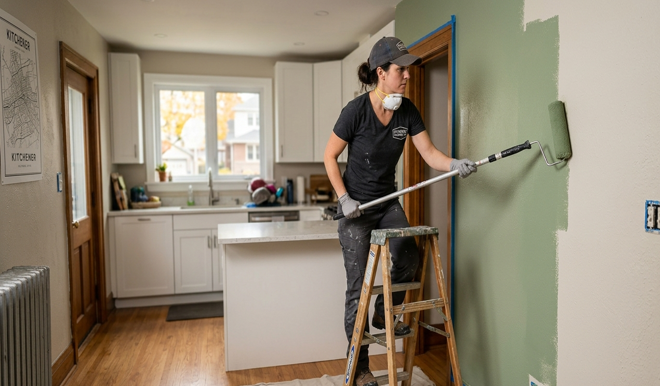
Interior painting focuses on comfort, mood, and everyday livability. This is the paint your family touches, leans against, and looks at every single day.
What Makes Interior Painting Different
Interior surfaces don't deal with rain or UV rays, but they do deal with:
Daily wear from foot traffic and furniture
Humidity from kitchens and bathrooms
Fingerprints, scuffs, and general household activity
Ventilation limits, since windows and doors stay closed more often
Because of this, interior paints are formulated with lower odor and quicker drying times. Many are also washable, which matters a lot in homes with kids or pets running through the hallway at full speed.
Common Interior Painting Projects
Our team regularly handles:
Full interior repaints (walls, ceilings, trim, and doors)
Basement painting, especially in older Ontario homes
Drywall repair before painting begins
Popcorn ceiling removal for a cleaner, modern finish
A well-executed interior paint job doesn't just refresh a room. It changes how the whole house feels to live in.
Understanding Exterior Painting
Exterior painting is a different beast altogether. Outdoor surfaces face constant exposure to weather, and that changes everything about how the job needs to be done.
What Makes Exterior Painting Different
Outdoor paint has to withstand:
Direct sunlight and UV fading
Rain, snow, and freeze-thaw cycles common in Ontario winters
Mould, mildew, and moisture buildup
Temperature swings that cause materials to expand and contract
Exterior paints are built tougher. They contain additives that resist cracking, peeling, and fading far better than anything used indoors. Application also depends heavily on the weather forecast, since painting in the wrong conditions can ruin an otherwise good job.
Common Exterior Painting Projects
This side of our house painting services typically includes:
Siding, soffit, and fascia painting
Brick painting and brick staining
Deck, fence, and garage painting
Crown molding and trim work on the home's exterior
Exterior work also demands more prep. Power washing, scraping old paint, and repairing wood rot all happen before a single coat goes on.
Interior vs. Exterior: Key Differences That Matter
Homeowners often ask us to explain the practical differences in plain terms, so here's a simple comparison.
Paint Formulation
Interior paint prioritizes finish quality and washability. Exterior paint prioritizes durability and weather resistance. Using one in place of the other almost always leads to disappointing results.
Preparation Requirements
Interior prep usually means sanding, patching holes, and taping trim. Exterior prep is more involved, often requiring pressure washing, caulking gaps, and treating any wood damage before painting starts.
Timing and Weather
Interior painting can happen any time of year since it's shielded from the elements. Exterior painting, on the other hand, depends on dry weather and moderate temperatures, which narrows the ideal painting season considerably.
Longevity Expectations
Interior paint jobs generally last between five and seven years with normal use. Exterior paint, exposed to harsher conditions, typically needs a refresh every seven to ten years, sometimes sooner depending on sun exposure and climate.
Choosing the Right Painting Services for Your Home
Deciding between interior and exterior work often comes down to your home's current needs rather than personal preference alone.
Consider these factors:
Visible wear: Fading, chalking, or peeling paint outside usually signals it's time for exterior work.
Resale plans: If you're preparing to sell, both interior freshness and exterior curb appeal matter, though buyers often notice the exterior first.
Budget priorities: Exterior projects tend to cost more due to prep work and premium materials, so planning helps.
Seasonal timing: Exterior projects work best booked during warmer, drier months.
Many homeowners choose to tackle both projects together, especially when preparing a home for sale or simply wanting a complete refresh. Bundling interior and exterior work can also streamline scheduling and reduce overall disruption to daily life.
Why Professional Painters Make the Difference
Painting looks simple from the outside, but proper surface preparation, paint selection, and application technique require real experience. A rushed job, whether indoors or out, tends to show its flaws within a year or two.
Professional painters understand:
Which primers work best for specific surfaces
How to achieve clean lines and even coverage
The right product for each environment, indoor or outdoor
How to protect your home and belongings throughout the project
This kind of expertise is exactly what separates a paint job that looks good for a season from one that holds up for years.
Conclusion
Interior and exterior painting each solve different problems, and understanding that difference helps you make smarter decisions for your property. Interior work shapes how your home feels day to day, while exterior work protects your investment against the elements and boosts curb appeal.
If you're weighing your options or simply want a professional opinion on what your home needs, 180 Transformations is here to help homeowners across Kitchener, Waterloo, Cambridge, and Guelph bring their vision to life, one wall or one exterior surface at a time.
Frequently Asked Questions
1. How do I know if I need interior or exterior painting services first?
Start with whatever shows the most visible wear. Peeling exterior paint usually needs urgent attention due to weather exposure, while interior painting can often wait until it fits your schedule.
2. Can the same paint be used for both interior and exterior surfaces?
No. Interior and exterior paints are formulated differently. Exterior paint contains additives for weather resistance that interior paint doesn't need, and using the wrong type can shorten the lifespan of the finish significantly.
3. How long does a typical exterior painting project take?
Most exterior projects take a few days to a week, depending on the home's size, surface condition, and weather. Preparation work often takes as long as the painting itself.
4. Is it worth painting both the interior and exterior at the same time?
It can be, especially if you're preparing your home for sale or want a complete refresh. Scheduling both together often reduces overall disruption and can be more cost effective in the long run.